

Every gospel mix engineer chases the same feeling, that moment when the choir hits and the room seems to lift. People call it the "wall of sound." What most people miss is that a good wall comes from how organized it is underneath, not from how loud it is.
I've had sessions where a client sends me a choir stack that sounds massive in the room and collapses into mud the second it hits stereo speakers. The fix is almost never "add more." It's usually subtraction, panning, and patience.
Start with the lead, not the choir
The lead vocal is the story. If you build your choir bed before you've locked the lead's tone and level, you'll spend the rest of the mix chasing a target that keeps moving. Get the lead sitting right in a rough mix first — dry, honest, a little forward — then build everything else around it.
High-pass more aggressively than feels natural
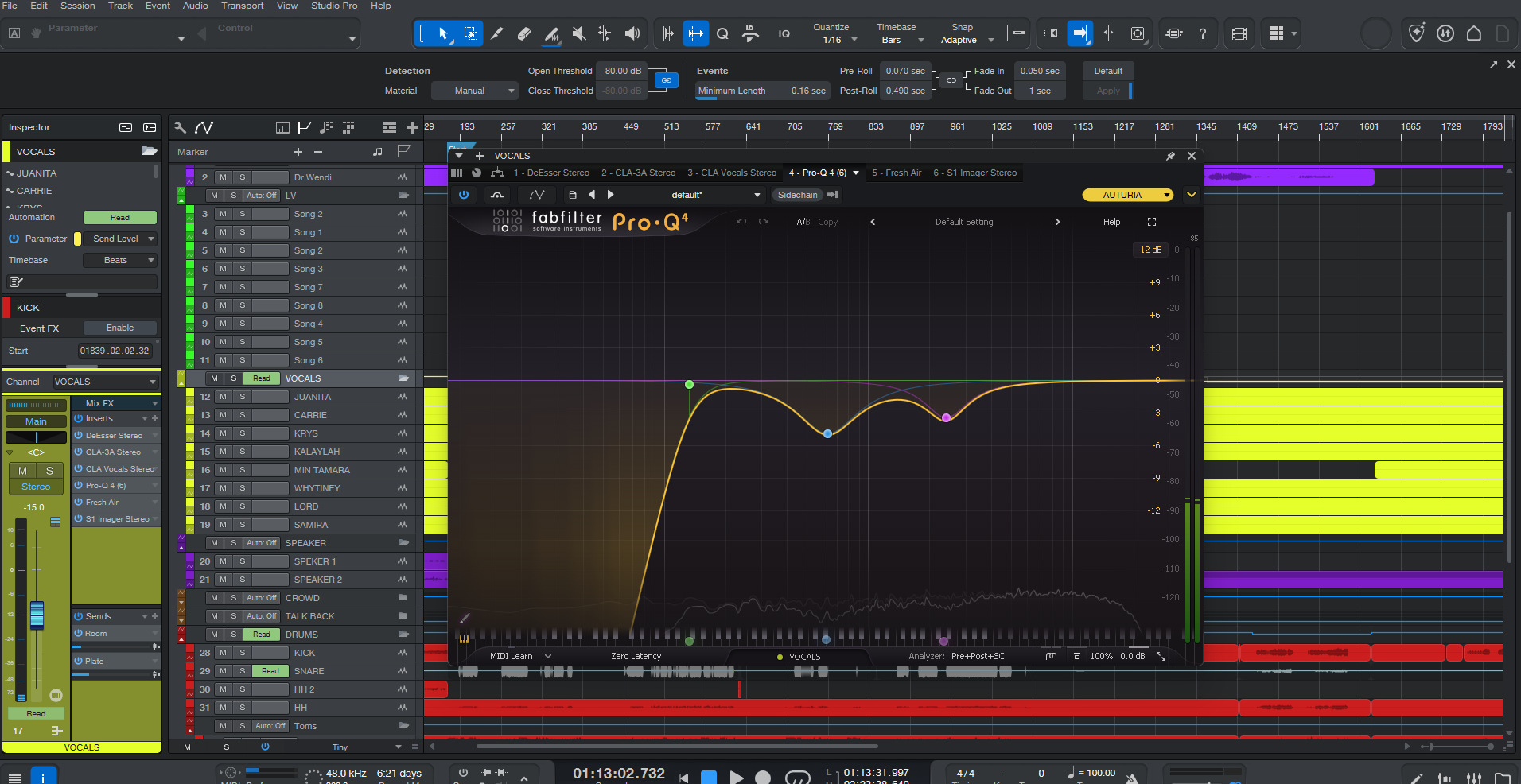
Stacked vocals build up low-mid energy fast, even from voices that don't sound "bassy" on their own. I'll high-pass individual choir tracks anywhere from 150Hz to 250Hz, sometimes higher, just to keep that low-mid zone from turning into a fog. The lead usually gets a gentler cut, since that's where its warmth lives.
Pan for width, not chaos
A wide choir isn't a random choir. I like grouping voices in sections call it left-center-right or by vocal part and keeping the panning consistent throughout the song. When everything shifts around, the ear can't build a picture of the space. When it's consistent, the wall feels intentional even at full volume.
Use reverb as glue, not decoration
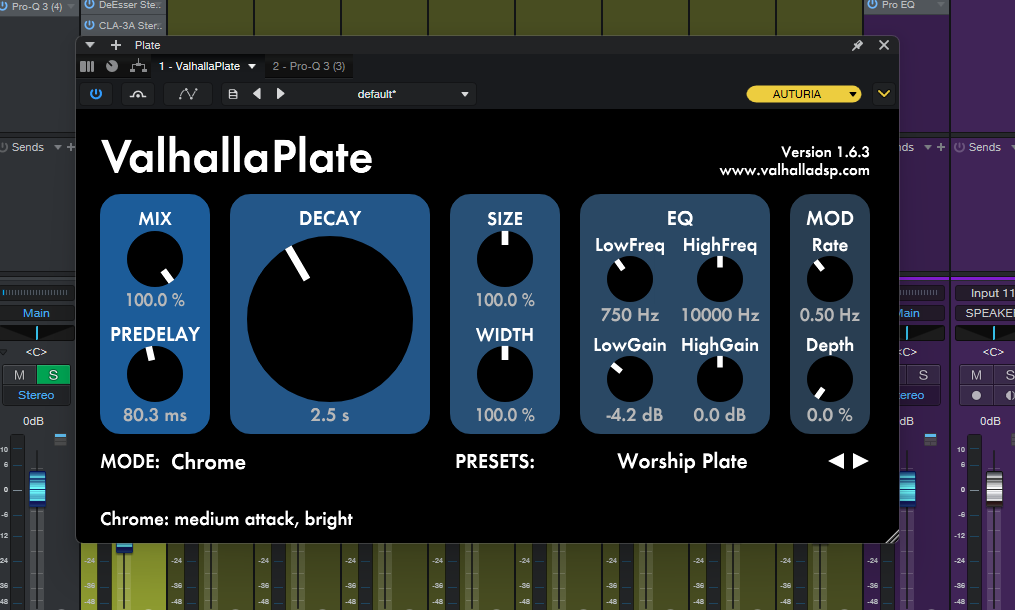
One shared room or plate on a choir bus does more for cohesion than ten individual reverbs ever will. Send the whole stack to one space, automate it down under the lead's verses, and let it bloom on the chorus. That's usually the difference between a choir that sounds like thirty separate mics and one that sounds like a room full of people worshiping together.
Ride the dynamics, don't just compress them
Compression keeps things controlled, but gospel vocals live and die on dynamic movement — the whisper before the run, the shout after it. I'll compress lightly for control, then ride the big moments by hand so the whisper and the shout still feel like something a person did on purpose.
Every choir, every room, every voice is different, so half of mixing gospel music is just listening long enough to hear what the song actually wants instead of chasing a formula. Still, if your mix feels big and messy instead of big and clear, check those five things first. Nine times out of ten, that's where it's hiding.
Written by Stephen Amanor Sackey — producer, mix engineer and music director, Virginia. More about the studio.